Overview
Akihabara is famous for anime, electronics, and gaming, but within walking distance of the station lies a cluster of shrines, a former shogunal academy, and preserved railway ruins spanning the Edo to Taisho periods. Step away from the electric town and you enter a Kanda-Yushima district that has been accumulating history for over 1,300 years.
This route connects four main sites on foot, starting from Akihabara Station. Total distance is roughly 2.5 km; allow about two hours with stops.
Route at a Glance
Akihabara Station → Yanagimori Shrine (5 min) → mAAch ecute Kanda-Manseibashi (5 min) → Kanda Myojin (12 min) → Yushima Seido (5 min) → Ochanomizu or Suehirocho Station
Stop 1: Yanagimori Shrine
A small shrine on the bank of the Kanda River, reportedly established in 1457 by Ota Dokan when he built Edo Castle to ward off evil from the northeast. Today it sits beneath the Showa-dori expressway, yet worshippers still stop in daily to pray at the fox shrine and the raccoon-dog deity known as Otanuki-san, who is said to bring luck in business and competitions.
- Address: 4-1 Iwamotocho, Chiyoda-ku, Tokyo
- Access: 5-minute walk from JR Akihabara Station (Showa-dori Exit)
- Hours: Open all day (shrine office hours vary)
Stop 2: mAAch ecute Kanda-Manseibashi
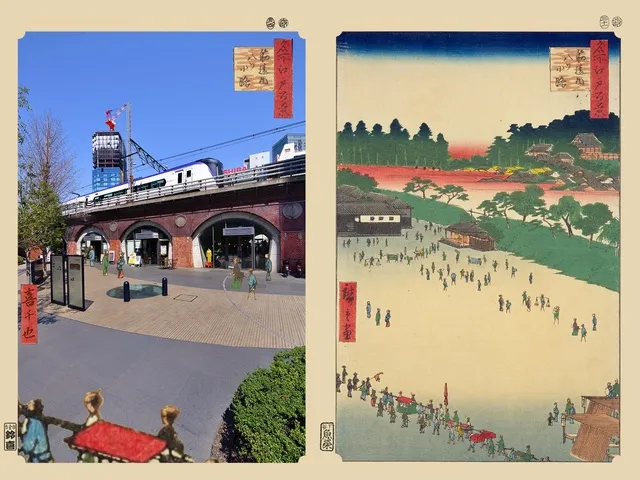
A retail complex built into the red-brick arches of the former Manseibashi Station, which opened in 1912 as part of the Chuo Line and was closed in 1943. After decades as the Traffic Museum, the structure was repurposed as mAAch ecute in 2013.
The 1912 staircase and the 1935 platform discovered during renovation are preserved and open to the public. Watching Chuo Line trains pass just overhead from the old brick platform is a rare urban experience. Cafés and specialty shops fill the vaulted arches, making it a natural rest stop.
- Address: 1-25-4 Kanda Sudacho, Chiyoda-ku, Tokyo
- Access: 6-minute walk from JR Akihabara Station (Electric Town Exit)
- Hours: 11:00–21:00 (varies by shop)
- Website: https://maach-ecute.jp/
Stop 3: Kanda Myojin
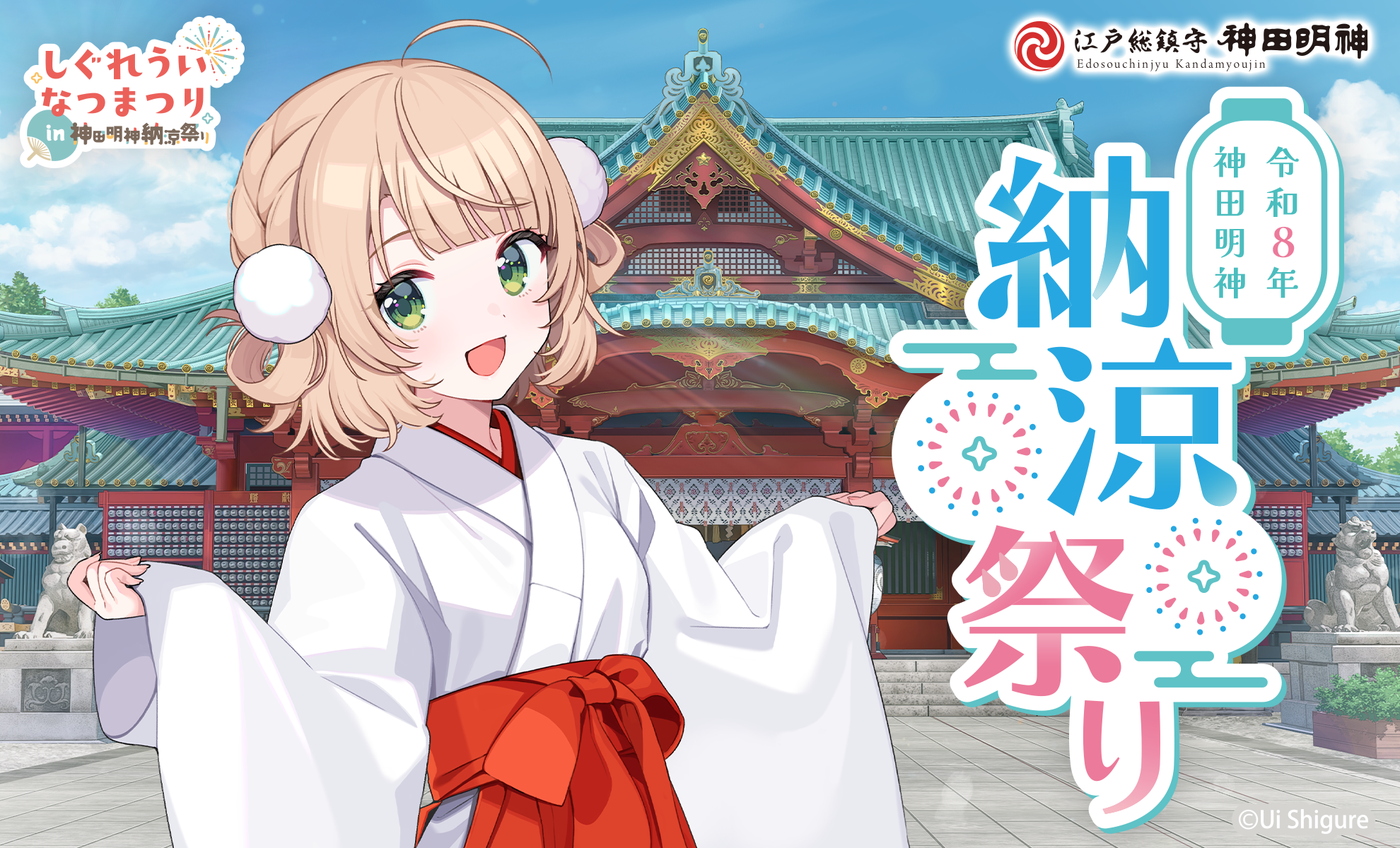
One of Tokyo's most important shrines, with a founding tradition dating to 730 CE. Before the Battle of Sekigahara, Tokugawa Ieyasu prayed here for victory; the Tokugawa shogunate then designated it the tutelary shrine of Edo Castle. Today it serves as the guardian shrine of 108 districts including Kanda, Nihonbashi, Akihabara, Otemachi, and Marunouchi.
The three enshrined deities — Okuninushi (matchmaking), Sukunahikona (healing), and Taira no Masakado (protection from misfortune) — draw a broad range of worshippers. The Kanda Festival, held in May on odd-numbered years, is one of Edo's three great festivals; its portable shrine procession passes through Akihabara.
The grounds include the ornate Zuishinmon gate, the main hall, a sacred horse stable, and subsidiary shrines. Anime and game collaboration votive tablets are prominently displayed.
- Address: 2-16-2 Sotokanda, Chiyoda-ku, Tokyo
- Access: 12-minute walk from mAAch ecute, or 5-minute walk from Tokyo Metro Marunouchi Line Ochanomizu Station
- Hours: Open all day (amulet office 9:00–17:00)
- Website: https://www.kandamyojin.or.jp/
Stop 4: Yushima Seido
In 1690, the fifth shogun Tokugawa Tsunayoshi relocated a Confucian shrine to Yushima and established it as a shogunate-run academy of Chinese learning. Its successor institution, the Shoheizaka Gakumonsho, is considered one of the ancestors of the University of Tokyo.
The current building, reconstructed in reinforced concrete in 1935, is finished in an austere black that distinguishes it from the red-and-gold palette of most Japanese shrines. The Taisei-den (main hall enshrining Confucius) is open on weekends for a 200-yen entry fee; the grounds are free to enter at any time.
- Address: 1-4-25 Yushima, Bunkyo-ku, Tokyo
- Access: 5-minute walk from Kanda Myojin, or 3-minute walk from JR Ochanomizu Station
- Hours: Weekdays and weekends 9:30–17:00 (Taisei-den interior open weekends only)
- Admission: Grounds free; Taisei-den interior 200 yen
- Website: https://www.seido.or.jp/
Tips
From Kanda Myojin to Yushima Seido, heading toward Hijiri-bashi (Holy Bridge) and walking along the Kanda River adds a pleasant riverside stretch. Either Ochanomizu or Suehirocho Station works as the endpoint.
Weekday mornings and weekend early afternoons are the least crowded times. The Kanda Festival (May, odd-numbered years) brings large crowds around the shrine.
Recommended For
- Visitors who have only ever explored the Electric Town side of Akihabara
- Anyone wanting to cover Edo, Meiji, and Taisho history sites in a single afternoon
- Railway heritage and historic architecture enthusiasts
- Students visiting Yushima Seido for exam-season prayers